Quality Control Meaning in Sourcing: How Buyers Turn Specs Into Proof
Published by Aeonix Trade.
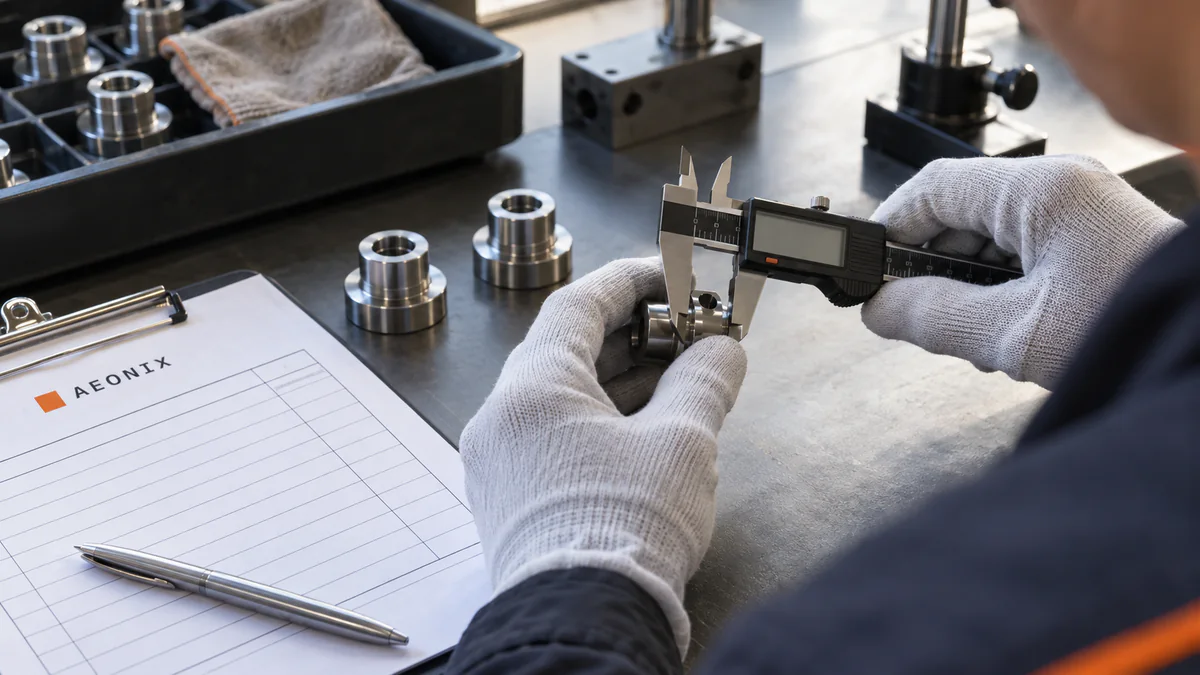
Last fact-checked: June 10, 2026. This guide is based on the official sources listed at the end.
Quick answer: Quality control is the process of checking whether goods match agreed specifications, samples, packaging, labeling, quantities, and defect limits before or during shipment.
Without QC, the buyer discovers problems after paying, importing, or shipping to customers, when fixes become slower and more expensive.
If you want help turning this checklist into a live sourcing plan, see our quality-control inspection support.
The plain-English meaning
For a beginner, the safest way to read quality control is as a responsibility marker in quality work. It tells you what must be checked before money, cargo, documents, or production moves to the next stage.
The practical question is not only what quality control stands for, but what changes in the quote, purchase file, shipment plan, customs entry, or inspection decision when this term appears.
- Pre-shipment inspection checks finished goods before balance payment or release.
- During-production inspection catches process issues before the full batch is complete.
- Loading checks confirm cartons, marks, container condition, and seal evidence.
Where the term comes from
The term comes from manufacturing control practice: instead of trusting output by promise, operators inspect, measure, test, and record whether production stays within the accepted standard.
A buyer approves a good pre-production sample, then mass production uses a thinner material. A final inspection catches weight, dimension, and packaging differences before the balance payment is released.
How professionals use it today
Professionals use QC at incoming materials, during production, pre-shipment, container loading, and failure review. The right stage depends on risk, timeline, and defect history.
In real sourcing work, the term should be tied to a named place, document, quantity, specification, or decision rule. That context is what turns a vocabulary word into an operating instruction.
Common beginner mistakes
Most mistakes around quality control happen when the buyer remembers the label but not the responsibility behind it.
- Inspecting without a written spec or approved sample.
- Checking only appearance and not function, packaging, labeling, quantity, and carton strength.
- Treating QC as a guarantee instead of a risk-control sample check.
What to check before you approve it
Treat quality control as a line item in the sourcing file, not just a word in a message thread.
Starter checklist
- Define critical, major, and minor defects before inspection.
- Attach product spec, approved sample photos, packaging files, and test methods.
- Choose inspection timing based on production risk.
- Use inspection results to decide accept, rework, sort, or reject.
Related terms that usually appear nearby
The next terms to learn are AQL, OEM, ODM, pre-shipment inspection because they usually appear in the same quote, purchase order, shipment file, or inspection decision.
Related glossary explanation
- AQL meaning, sample size, and Ac/Re decisions: Turn a general QC plan into a documented acceptance-sampling decision.
Frequently asked questions
Is QC the factory's job or the buyer's job?
Both have roles. The factory should control its process, but the buyer needs independent acceptance criteria and evidence before shipment.
Does QC inspect every unit?
Sometimes, but many inspections use sampling plans. High-risk or high-value goods may need 100 percent checking.
Official sources used in this guide
- ISO 2859 sampling procedures: Official ISO family page for acceptance sampling by attributes, the basis many AQL plans reference.
Submit sourcing request
Can't find what you need?
Start with a product link or photo, an approximate quantity and destination. Other details can follow.