Quality control // China inspection
Quality inspection
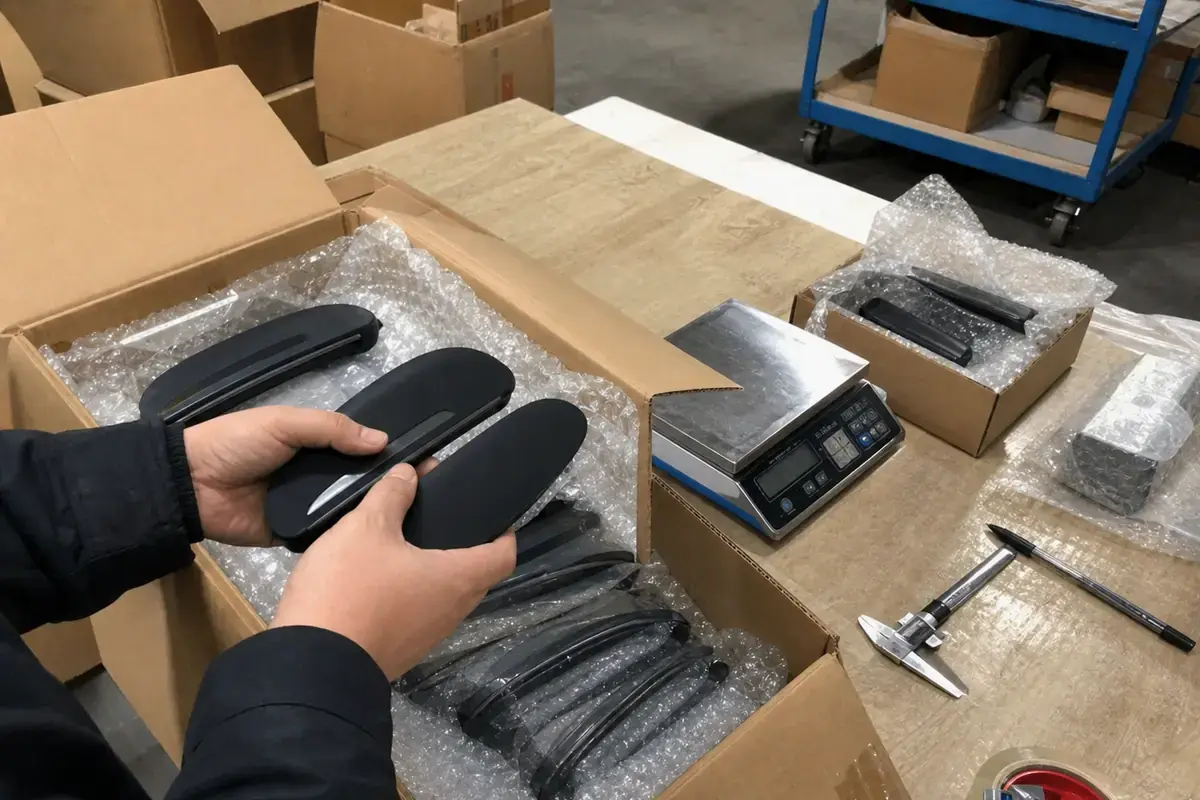
Already have a supplier in China? Aeonix team members carry out paid inspections against your requirements, with an inspection report included. Request carton measurements, weight checks, opening and sampling, or checks of every carton. Send the goods location, quantities, ready date and what you need checked for a scoped quotation.
- Agree scope
- 01
- Confirm access
- 02
- Record findings
- 03
- Buyer decision
- 04
Support the order you already have.
Mike Liu, company colleagues or warehouse staff carry out the agreed checks. We can check goods at our warehouse or arrange a visit to the goods location. The assigned person, access and date are confirmed before booking.
Carton measurements and weights
Opening, sampling or every-carton checks
Inspection against your requirements
Choose the buyer route before the sourcing motion.
Choose the buyer route before the sourcing motion.
The same sourcing service has different risk controls for ecommerce, private-label, wholesale, and procurement buyers. Choose the buyer route before supplier search, samples, QC, and shipment work are scoped.
Ecommerce sellers
Check SKU margin, MOQ, samples, packaging, and replenishment risk.
View routePrivate-label brands
Control product development, sample approval, packaging, and production brief.
View routeWholesale buyers
Plan mixed SKUs, quote comparison, consolidation, and repeat supply.
View routeProcurement teams
Review supplier evidence, risk notes, QC gates, and internal approval needs.
View routeConfirm the visit before treating it as booked.
Start with the goods location and your inspection requirements. We confirm the available date, work and fee, then report the findings for your decision.
01Send the order brief
Include the factory city, product, SKU and lot quantities, readiness date, reference sample and priority checks.
Scope request
02Agree coverage and price
Confirm the assigned team member, access, date, checks and report timing. Out-of-town quotations normally include accommodation and round-trip travel; the quotation identifies the included work and expenses.
Written scope and quotation
03Record the agreed checks
Provide an inspection report covering the agreed product-quality checks, conformity with your requirements, measurements and any limits or unresolved findings.
Inspection report
04Make the buyer decision
Review unresolved findings and decide whether to hold, request rework or approve release. Reinspection needs a separate confirmation.
Recorded buyer instruction
Your inspection includes a report against the agreed requirements.
The report records what was checked, the observed results and whether they meet your requirements. The structure shown here and the downloadable sheets are blank templates. They are not records of a completed inspection, an approved shipment or a customer result.
Order-specific observations
Visible limitations
Named decision owner
Inspection report structure — blank example
- Identify the order, lot, specification and reference sample.
- Agree sampling, checks, access and acceptance criteria for this order.
- Record observations with photo references and unresolved limitations.
- Keep findings separate from the buyer’s release or rework decision.
China quality control inspection questions buyers ask first.
Which cities and products can be inspected?
What determines the inspection price?
Are checks included with a purchasing order?
Is there a fixed sampling standard for every order?
Does this include lab tests or product certification?
What happens when a finding remains unresolved?
Send the factory location and the checks you need.
Include the product, lot quantities, ready date and order reference. We will review the requested scope; confirmed coverage, responsibilities and charges come before a booked visit.
Two blank worksheets for your inspection request
Fill in the order and requested checks before agreeing a visit. Use the findings register for the actual evidence later; it contains no completed results or approval claims.