中国での出荷前検査
品物は仕上がっており、「問題ない」という誰かの言葉を頼りに残金を払おうとしている。
検品は、残金がまだ手元にあるうちだけ払う価値があります。お金が出てしまえば、不合格の報告書は決定ではなく交渉材料にすぎません。当社はその時点より前に検査を手配し、何を見て何を見なかったかを率直にお伝えします。
同じ調達サービスでも、EC、プライベートラベル、卸売、購買チームでは必要な管理が異なります。先に買い手ルートを選び、サプライヤー検索、サンプル、QC、出荷範囲を決めます。
バイヤーフィット
有効なのは生産が終わった後、残金を払う前です。問題がまだサプライヤーの費用で直すべきものである唯一の窓です。すでにその時点を過ぎているならそう仰ってください。誠実な助言は「出荷して後で争う」かもしれず、何も変えない検品を売るのではなく、そうお伝えします。
品物は仕上がっており、「問題ない」という誰かの言葉を頼りに残金を払おうとしている。
カスタム品やプライベートブランド品。確認すべきは見た目が許容範囲かではなく、承認したサンプルと一致するかどうか。
同じ不良がリピート注文で繰り返し出ているのに、誰も次のチェックリストに書き込んでいない。
必要なのが試験所の認証や法規の判断であれば、検品ではそれは得られません。その欠落を回避して売るのではなく、記録します。
Use AQL 2.5, carton sampling, and document checks before bulk balance payment or container release.
Turn factory-ready dates into same-day evidence requirements, report structure, and release decisions.
ワークフロー
検査員が出向く前に、承認サンプルを基準として何を不良とするかを決めます。抜取はISO 2859-1に従い、水準は注文内容とお客様自身の買い手が受け入れる程度に合わせます。義烏倉庫の近隣で構造が単純な品物は当社が自ら確認します。お客様またはその顧客が認定報告書を必要とする場合はSGSまたはTÜVを使い、BVとも取引実績があります。
すべては承認済みサンプルを基準に判断されます。その参照がなければ、検品は誰かの主観にすぎません。
何が致命、重、軽の不良かを、ISO 2859-1の抜取のもとで今合意します。不合格が出てから争うのではありません。
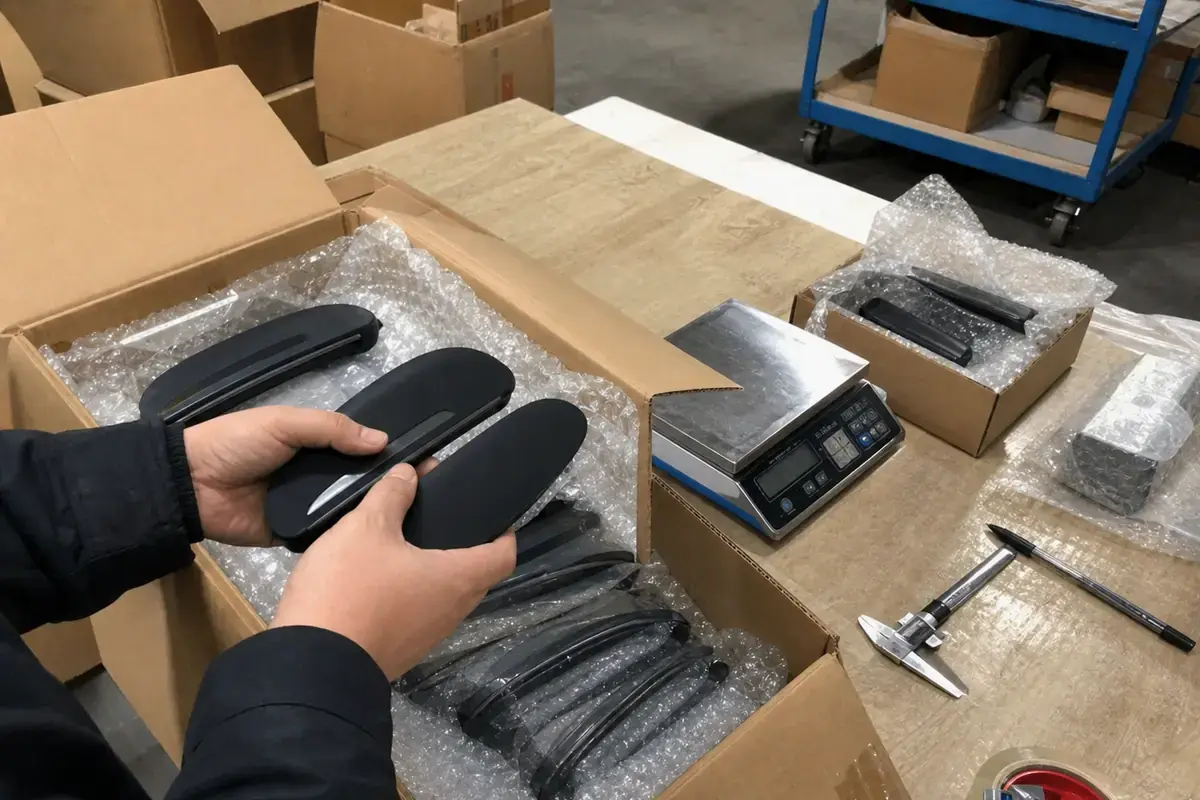
検査員は品物、梱包、カートンを確認し、見たものを撮影します。
推奨とその理由をお渡しします。手直しが割に合わないなら、それも申し上げます。
証拠品
数量、写真、何がどの条項に対して不合格だったかをお渡しします。確認できなかった部分もお渡しします。抜取である以上、サンプルに入らない不良はあります。これは算術であって、自己防衛のための但し書きではありません。抜取検査で無欠陥のコンテナを約束する人は、存在しないものを説明しています。
残金の期日より前に結果が出るよう時期を合わせます。問題がまだサプライヤーの費用で直すべきうちに。
写真は承認済みサンプルと突き合わせます。「だいたい許容範囲」という感覚とではありません。
抜取の考え方、等級別に分類された不良、そして当社の推奨する対応。
出荷前にカートン数と書類を確認します。どちらも仕向地で直すのは高くつくからです。
A sample report frame shows checklist status, defect classes, photo evidence, and the approved release stamp before the RFQ.
Factory visit trail, timestamped photos, checklist ownership, and unresolved gaps stay visible before payment approval.

Approved sample, production item, carton mark, and QC notes before release.
よくある質問
サプライヤー、注文、そして残金の期日をお知らせください。承認サンプルに照らして検査を手配し、行動につながる結果をお返しします。不合格なら、手直しに何がかかるか、やる価値があるかを申し上げます。
AQL 2.5 is a common acceptance quality limit for major defects. It does not mean every shipment may contain 2.5% defective goods; the pass or fail decision depends on the lot size, inspection level, sampling table, and counted defects.
A useful QC report should include product photos, packaging photos, carton marks, quantity checks, workmanship findings, measurements, defect classes, AQL result, inspector notes, unresolved risks, and a clear release, hold, rework, or reinspection recommendation.
FCL buyers should inspect when production is complete and most goods are packed, but before balance payment and container loading. Custom, high-value, or defect-prone orders should add pre-production or during-production checkpoints.
Factories can try to prepare selected samples, limit access, rush the visit, or guide the inspector away from problem areas. Buyer-defined checkpoints, random sampling, timestamped photos, carton-level evidence, and a reviewable report trail reduce that risk.
If major defects exceed the AQL limit, the shipment should not be automatically released. Common next steps include supplier rework, defect sorting, reinspection, shipment hold, or balance-payment hold, depending on severity and delivery risk.
No. QC inspection checks visible product quality, workmanship, packaging, labels, quantity, and shipment readiness. It does not replace lab testing, safety certification, chemical testing, performance testing, or market-entry compliance.
During-production inspection checks goods while manufacturing is still in progress, so defects can be corrected earlier. Pre-shipment inspection happens near completion, usually when goods are packed and ready for release.
Packaging and carton marks affect warehouse receiving, customs handling, retail distribution, and shipping damage risk. A good QC check connects product quality, inner packing, carton labels, quantities, and shipment documents before release.
サプライヤー、注文、そして残金の期日をお知らせください。承認サンプルに照らして検査を手配し、行動につながる結果をお返しします。不合格なら、手直しに何がかかるか、やる価値があるかを申し上げます。