01
Cabinet brief
Submit SKU list, cabinet count, destination port (Bangkok-port or Laem Chabang), timing, and target quote through the form below.
YOU RECEIVE
A fit verdict: reviewable, or declined with the reason

INTEX® IMPORT PROTOCOL // CN → TH
For Thai buyers ordering their first — or next — INTEX® container from China. Every step below states what you send and what you receive, so the route can be judged before any money moves. The entry filter stays one 20GP small container.
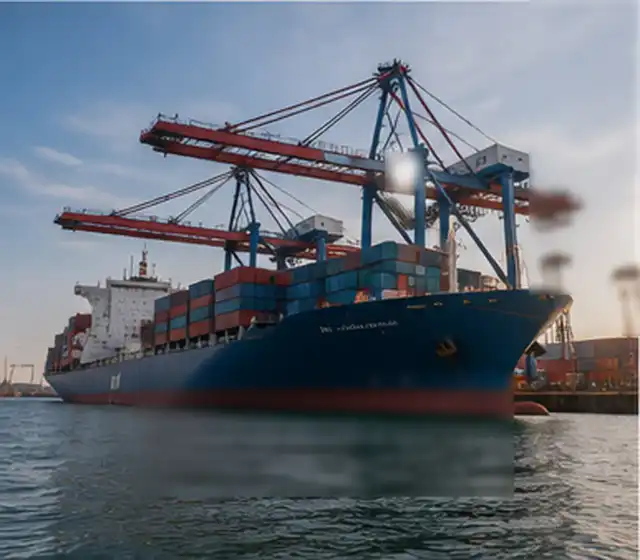
IMPORT PROTOCOL
This is the operating order of the lane. Each step ends with an artifact in your hands — the artifact, not reassurance, is what makes the next step safe.
Submit SKU list, cabinet count, destination port (Bangkok-port or Laem Chabang), timing, and target quote through the form below.
A fit verdict: reviewable, or declined with the reason
Thailand requests run as expansion-lane reviews — destination, cabinet count, SKU proof, and clearance constraints are tested for commercial workability before quoting.
Route requirements and any proof gaps, in writing
The proforma invoice is issued under the registered operating entity. T/T remittance goes only to a bank account matching that entity name — verify before paying.
A PI naming the legal entity you can check in the registry
Stock is allocated and a pre-shipment inspection window opens. Your own inspector — SGS, BV, TÜV, QIMA, or a Thai agent — is accepted and reports directly to you.
An inspection report you commissioned yourself
Loading is documented with carton counts and seal-number photos. The commercial invoice, packing list, and bill of lading are issued; Form E follows the review outcome.
The full document set plus loading evidence
The vessel reaches your chosen port. Your Thai customs broker clears the cabinet with the document set; a managed handoff can be part of the route review if you have no broker yet.
A cleared cabinet at your warehouse
DOCUMENT SET
Every experienced importer checks the paper before the price. These are the documents this lane issues, and what each one does for you.
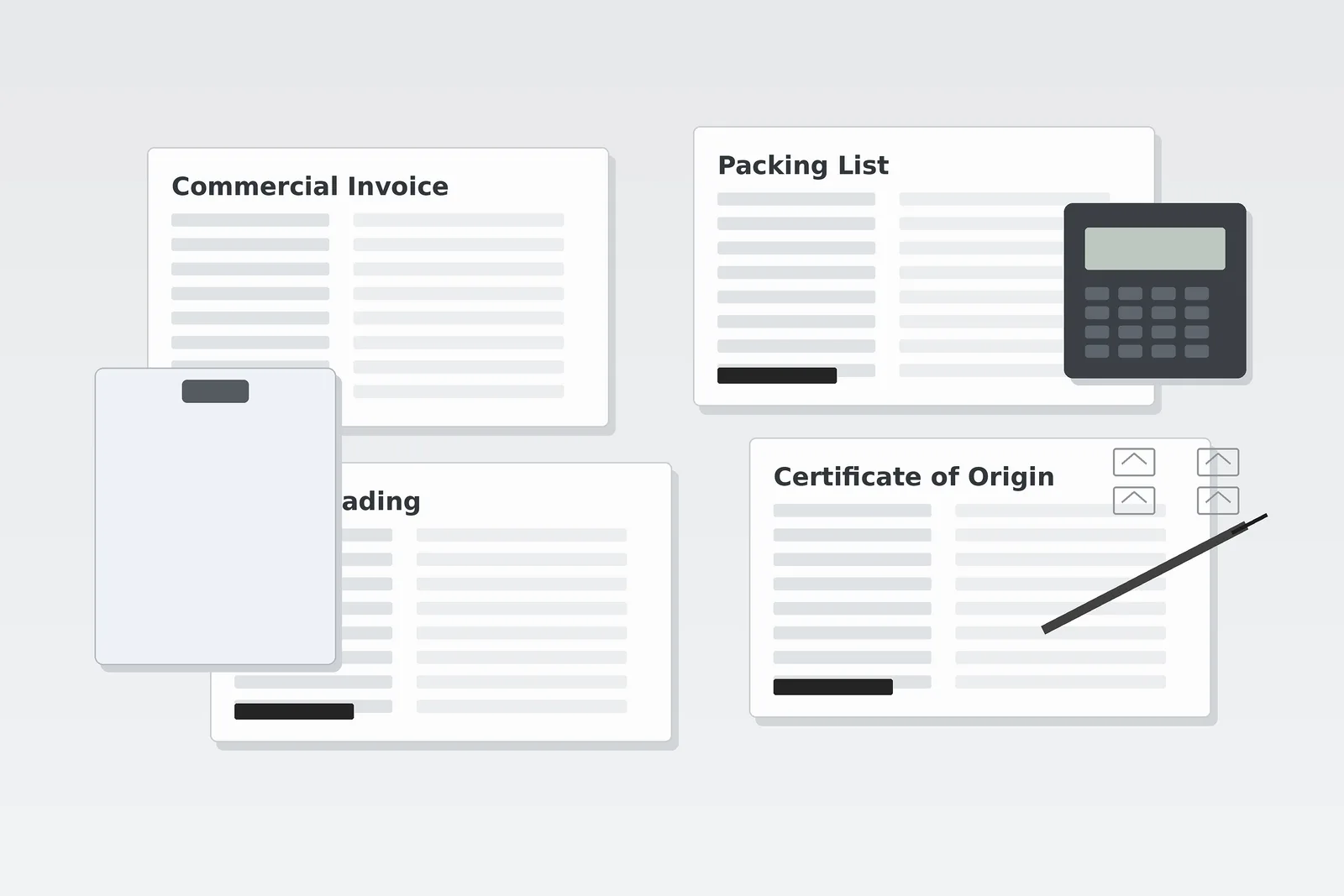
States the transaction values Thai customs assesses duty and VAT against.
Carton-level list your inspector and broker check against the physical cabinet.
Title to the cargo and release control — the document your balance payment is anchored to.
Origin certificate that can reduce import duty by HS line. Eligibility is confirmed during the route review.
HS classification and final duty rates sit with your Thai customs broker. Thai import VAT applies at the current 7% standard rate on the customs base. This page publishes the checklist on purpose — and no invented rates.
LOGISTICS MODES
Goods are quoted FOB China main port; your Thai forwarder books the vessel and controls freight and clearance end to end. Most experienced importers run this mode.
No forwarder yet? The route review can include a managed corridor handoff toward Bangkok-port. Overland routing out of China gets asked about often and agreed rarely — the factory decides, and the answer is usually no. Plan on ocean freight; anything else is reviewed case by case and never assumed.
SEASON PLANNER
Floor demand peaks in the March–May heat around Songkran. Working the cabinet backward through allocation, sailing, and clearance gives a simple planning rhythm:
Submit and settle the cabinet plan while factory allocation is calm. This is the window, not the warm-up — vessels start moving in February.
Stock allocation, pre-shipment inspection, and document preparation.
CN main ports to Bangkok-port or Laem Chabang, then broker clearance.
The cabinet is on your floor for Songkran-season turnover.
Planning guidance, not a transit promise. The factory sets the production and allocation calendar — we do not, and neither does any agent who tells you otherwise. What the review confirms is where your SKU mix and your port sit inside that calendar.
FIRST-CONTAINER READINESS
Models or catalog references screened against the 2027 INTEX® catalogs — not vague category demand.
Bangkok-port or Laem Chabang — the choice affects haulage and clearance handling.
One 20GP is the gate; state timing against the season planner above.
A competing quote or target price makes the review concrete instead of theoretical.
Below one 20GP, sea-freight and clearance overhead usually eats the wholesale margin — that is why the gate exists. Smaller mixed demand should use the general RFQ route instead.
VERIFICATION LAYER
Import trust is not claimed — it is verified. Each step of this lane leaves evidence you can independently check.
PI and bank details are issued under the registered legal entity shown below — verify the name against China's public company registry before paying anything.
T/T remittance goes only to a bank account held in the operating entity's name. A mismatched account name means stop and reconfirm through the published contact channel.
The step-04 inspection window exists precisely so your own inspector can attend before shipment and report directly to you.
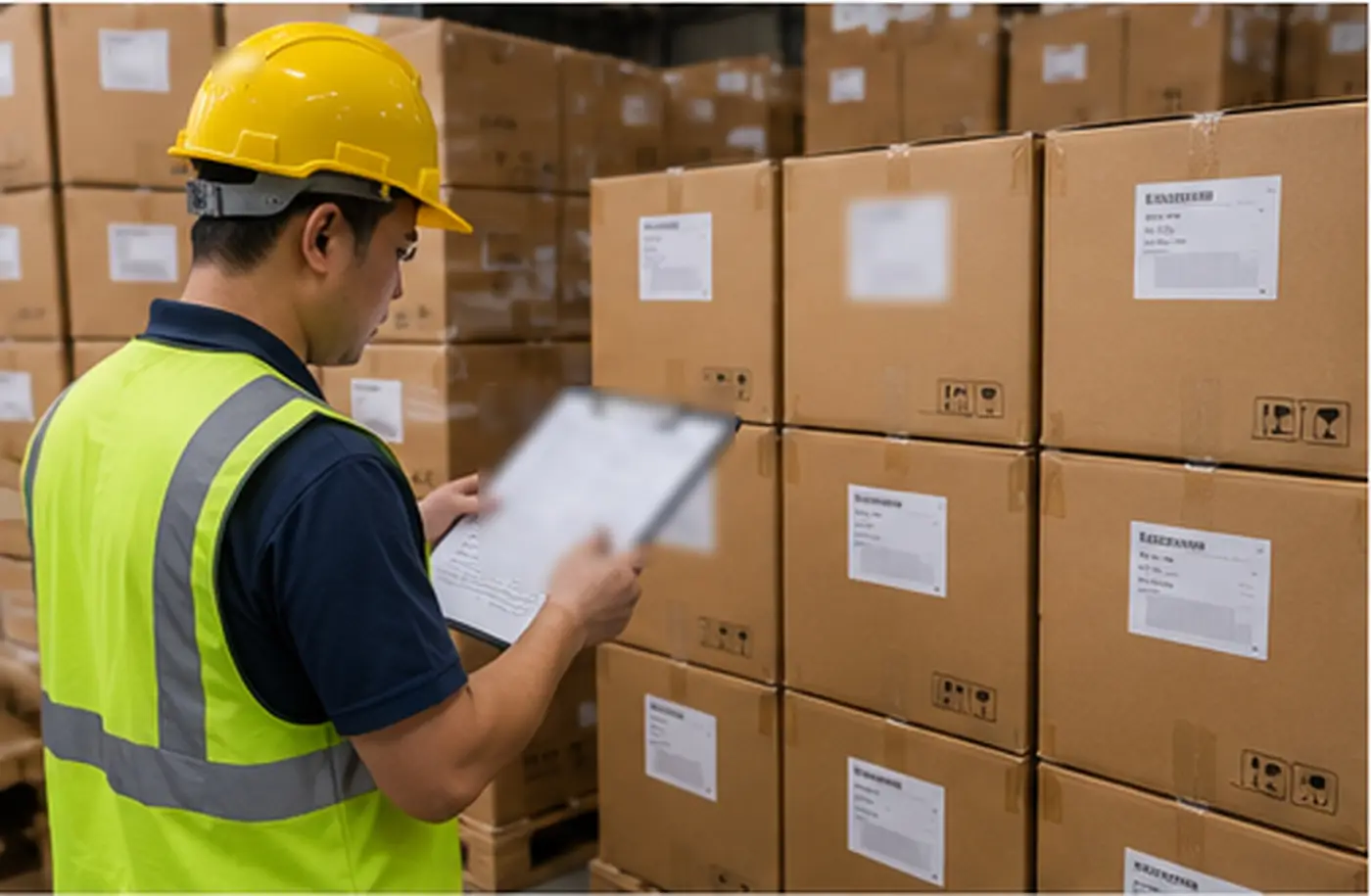
Carton counts against the packing list and door photos with seal numbers are shared as part of the shipment file.
TRAFFIC FILTER
// PROTOCOL AUDIT / FAQ
Your Thai customs broker, using the CI, PL, BL, and — where eligible — Form E set from step 05. If you have no broker yet, ask for the managed handoff review; it is reviewed case by case, never assumed.
Most INTEX® pool SKUs move as general consumer goods, but classification is your broker's call per HS line — confirm it before the PI, not at the port.
Yes. The inspection window in step 04 exists for that. SGS, BV, TÜV, QIMA, or your own Thai agent can be commissioned by you and reports directly to you.
Form E is the China–ASEAN FTA origin certificate; depending on the HS line it can reduce import duty. Eligibility is confirmed during the route review, and final rates sit with your broker.
One 20GP small container — the FCL starter MOQ. Below that, the general RFQ route is the honest recommendation, because freight and clearance overhead erode the wholesale margin.
[ STEP 01 / ROUTE REVIEW ]
The six-step protocol above starts here. Provide the SKU list, destination port, and quote context; the first response judges fit.
The wholesale supply lane — product families, mixed-cabinet rules, and the landed-cost stack.
Open the wholesale laneThe FCL master lane: watermarked catalog PDFs for SKU screening and the full bulk review path.
Open the bulk laneSTART THE FILE
Send the brief when the cabinet threshold is real.
Use the form above, or open the full RFQ if you need to hand over a longer SKU list and constraints.