Pre-shipment inspection in China
Check quantity, workmanship, function, packaging, labels, carton marks, packing list, and document consistency before release.
Aeonix helps buyers connect supplier evidence and approved samples to a proof-before-payment shipment-release file: pre-production inspection, during production inspection, pre-shipment inspection, AQL, packaging labels, carton data, packing list match, rework or reinspection rules, and payment-risk notes before release. Buyer evidence path: supplier proof -> sample proof -> quote proof -> inspection proof -> shipping proof.
The same sourcing service has different risk controls for ecommerce, private-label, wholesale, and procurement buyers. Choose the buyer route before supplier search, samples, QC, and shipment work are scoped.
Check SKU margin, MOQ, samples, packaging, and replenishment risk.
View routeControl product development, sample approval, packaging, and production brief.
View routePlan mixed SKUs, quote comparison, consolidation, and repeat supply.
View routeReview supplier evidence, risk notes, QC gates, and internal approval needs.
View routeBuyer fit
A China quality control inspection is most useful when the buyer has an order, approved sample, supplier, or defect concern and needs a practical release decision before balance payment, shipment handoff, or goods leaving the factory. If there is no order, approved sample, supplier status, or release gate, the handoff should identify the missing inputs before inspection is scheduled.
Check quantity, workmanship, function, packaging, labels, carton marks, packing list, and document consistency before release.
Compare logo, color, material, dimensions, packaging artwork, insert, and approved sample before the supplier ships.
Turn recurring defects, rework history, and supplier performance into the next QC checklist and release rule.
If the need is lab certification, regulatory judgment, legal advice, or there is no supplier/order status yet, Aeonix records the gap instead of positioning QC inspection as a substitute for specialist review.
Workflow
A useful inspection is a buyer standard, not only a visit. The checklist should name the sample, AQL logic, defect classes, evidence format, rework triggers, reinspection rules, and release path before pressure builds around payment.
Confirm the approved sample or golden sample, product specification, packaging, labels, carton marks, and destination-market notes before the inspection window.
Define the AQL level plus critical, major, and minor defects so rework, reinspection, shipment hold, or payment hold rules are not argued at the last minute.
Review workmanship, function, dimensions, packaging, labels, carton marks, packing list, and shipment document consistency against the buyer file.
Turn findings into a practical next step: accept, rework, reinspection, hold shipment, hold balance payment, or move supplier risk into RFQ.
Proof artifacts
The buyer should see what was checked, what failed, which evidence is missing, and what the supplier must do next before balance payment, shipment release, or reinspection. QC evidence reduces uncertainty, but it does not make defects impossible.
Bring supplier evidence, approved sample, and quote basis into inspection; output inspection proof and a release gate, then convert cartons, labels, packing list, invoice, and forwarder handoff into shipping proof.
Photos and notes comparing production against the approved sample, product spec, packaging artwork, labels, and carton marks.
Sampling logic, critical, major, and minor defects, rework protocol, reinspection need, and release recommendation.
Packing list, carton data, label rules, quantity, and shipment handoff checks before goods leave origin.
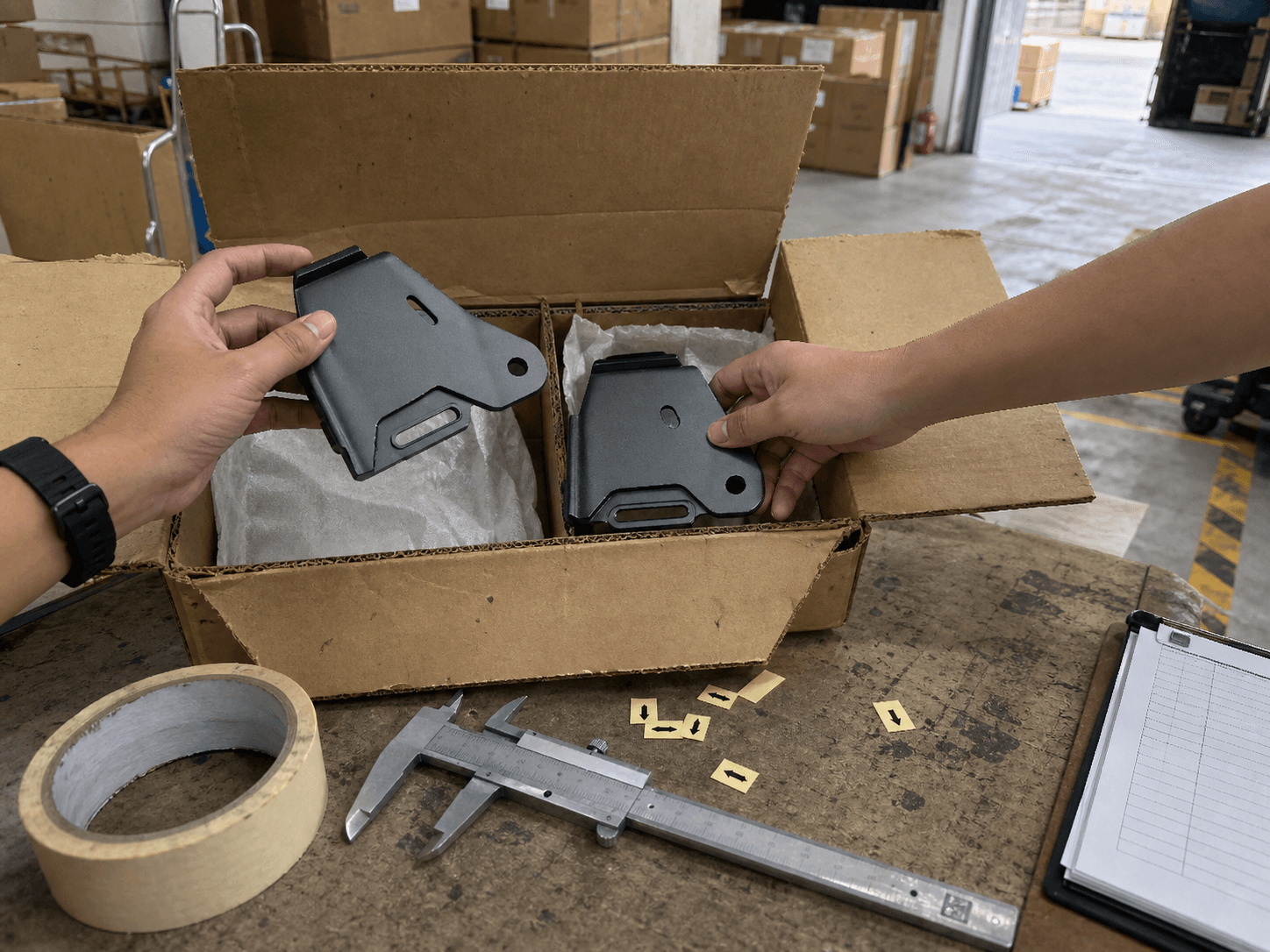
Approved sample, production item, carton mark, and QC notes before release.
FAQ
Share the supplier, order, approved-sample status, packaging rules, payment milestone, and shipment deadline. Aeonix will turn them into a QC checklist, balance-payment condition, supplier-risk note, reviewable proof boundaries, and next-step handoff for rework, reinspection, shipment hold, or source-aware RFQ context.
It is a structured review of goods, packaging, labels, cartons, and shipment documents against the approved sample, QC checklist, AQL level, and defect rules before payment or shipment release.
Usually when production is complete and packing is representative of the final shipment. Custom or higher-risk orders should also use pre-production inspection or during production inspection checkpoints.
No. QC inspection is not a lab certification and does not replace regulated chemical, safety, performance, or market-entry testing by qualified laboratories.
Share the supplier, order, approved-sample status, packaging rules, payment milestone, and shipment deadline. Aeonix will turn them into a QC checklist, balance-payment condition, supplier-risk note, reviewable proof boundaries, and next-step handoff for rework, reinspection, shipment hold, or source-aware RFQ context.