FCL Meaning in Shipping: When a Full Container Makes Sense
Published by Aeonix Trade.
Last fact-checked: June 10, 2026. This guide is based on the official sources listed at the end.
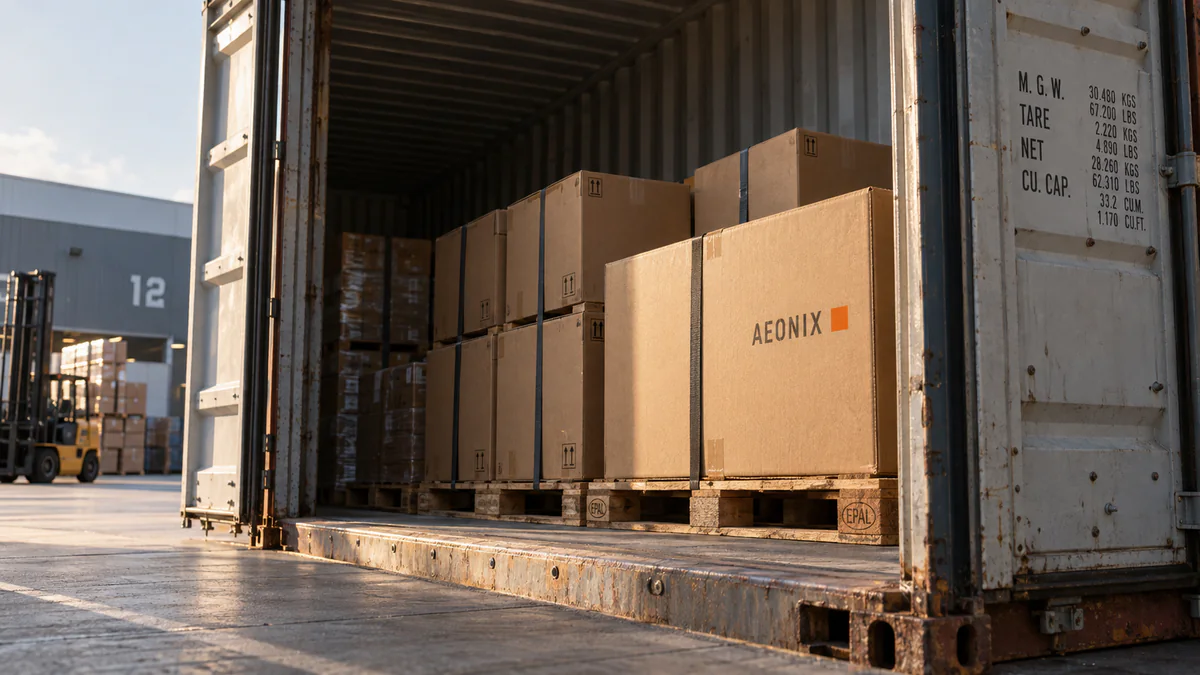
Quick answer: FCL means Full Container Load. The shipment uses a container for one buyer's cargo, even if the container is not physically filled to the ceiling.
FCL can lower per-unit freight cost, reduce handling, and improve schedule control once your order volume is large enough.
If you want help turning this checklist into a live sourcing plan, see our consolidation shipping support.
The plain-English meaning
For a beginner, the safest way to read FCL is as a responsibility marker in shipping work. It tells you what must be checked before money, cargo, documents, or production moves to the next stage.
The practical question is not only what FCL stands for, but what changes in the quote, purchase file, shipment plan, customs entry, or inspection decision when this term appears.
- Useful for bulky goods, fragile cartons, repeat replenishment, and supplier-loaded containers.
- Can support better load plans, carton counts, and seal control.
- Needs attention to container type, maximum payload, loading photos, and destination appointment rules.
Where the term comes from
The term comes from container freight operations. A full container load meant cargo moved as one container unit instead of being consolidated with other shippers' goods.
A buyer moving bulky home goods may switch from LCL to a 40-foot high cube container. The freight bill looks larger, but fewer warehouse touches can reduce carton crushing, delays, and surprise consolidation fees.
How professionals use it today
Professionals compare FCL against LCL using cubic meters, weight, carton strength, port pair, peak-season space, and destination charges. FCL often wins before the container is literally full.
In real sourcing work, the term should be tied to a named place, document, quantity, specification, or decision rule. That context is what turns a vocabulary word into an operating instruction.
Common beginner mistakes
Most mistakes around FCL happen when the buyer remembers the label but not the responsibility behind it.
- Waiting until goods fill every cubic meter before asking for FCL pricing.
- Ignoring container loading quality and weight distribution.
- Comparing only ocean freight while missing LCL destination and warehouse fees.
What to check before you approve it
Treat FCL as a line item in the sourcing file, not just a word in a message thread.
Starter checklist
- Calculate total cartons, cubic meters, gross weight, and container options.
- Compare FCL and LCL on full landed cost, not freight alone.
- Ask for loading photos, seal number, container number, and packing list alignment.
- Check whether one supplier or a consolidation warehouse will load the container.
Related terms that usually appear nearby
The next terms to learn are LCL, packing list, bill of lading, landed cost because they usually appear in the same quote, purchase order, shipment file, or inspection decision.
Related glossary explanation
- Demurrage vs detention clocks and costs: Map terminal free time and equipment return dates before the container arrives.
Frequently asked questions
Does FCL mean the container must be completely full?
No. It means the container is booked for one shipper or buyer's cargo. It may still have unused space.
When should I switch from LCL to FCL?
Ask for both quotes once cargo grows beyond a small shipment. Destination fees and handling risk can make FCL sensible earlier than expected.
Official sources used in this guide
- International Trade Administration common export documents: Official overview of invoices, packing lists, bills of lading, and related trade paperwork.
Submit sourcing request
Can't find what you need?
Start with a product link or photo, an approximate quantity and destination. Other details can follow.