How to Import from China to Vietnam in 2026: A Beginner Guide
Published by Aeonix Trade.
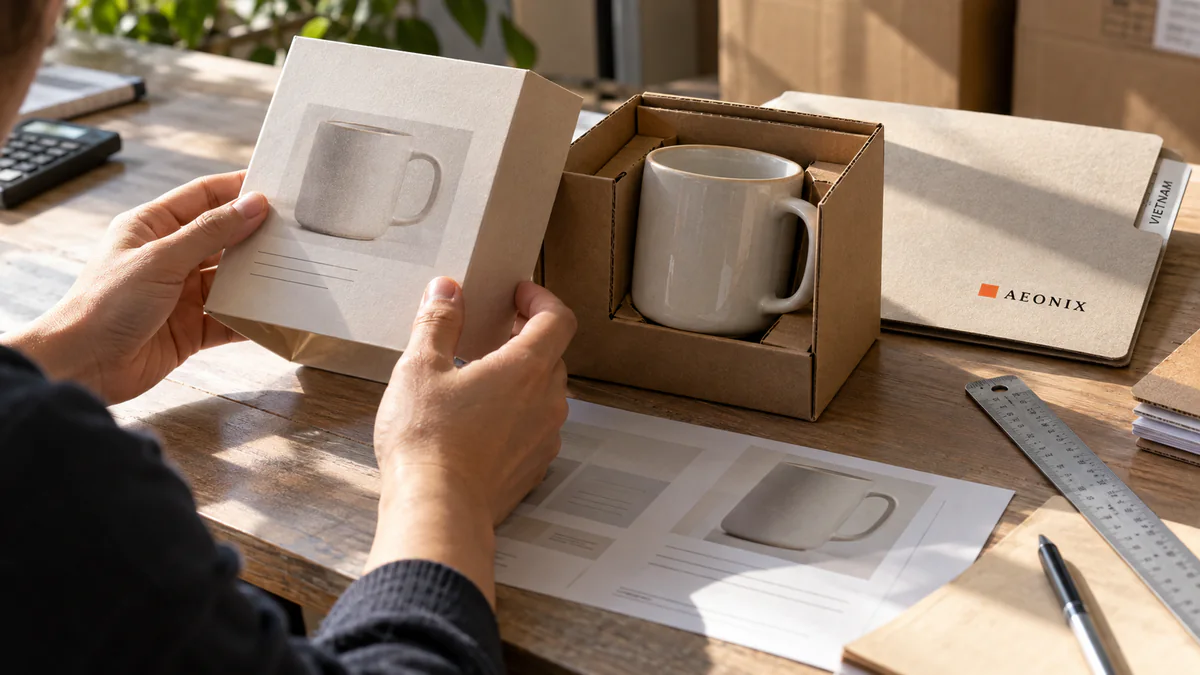
2026 import checklist
Import from China to Vietnam in 2026: HS code, VAT and permit checklist
Confirm importer tax code, HS code, import duty, VAT, permits, documents and border or port route before final supplier payment.
- Confirm importer eligibility, tax code and customs broker before booking transport.
- Classify the product by HS code and estimate import duty, VAT and special consumption tax.
- Check conformity, food, cosmetics, electronics or other product permits when required.
- Prepare invoice, packing list, transport document, origin support and product specifications.
- Compare road, air, LCL and FCL timing against border clearance and warehouse capacity.
Last fact-checked: April 2, 2026. This guide is based on the official sources listed at the end.
Quick answer: Yes, importing from China to Vietnam still makes sense in 2026, especially for small buyers who need fast regional sourcing, low MOQ flexibility, and broad factory access. But Vietnam is not a buy-now-fix-later market. Customs, labeling, and specialized inspection checks can all affect whether the cargo moves smoothly after arrival.
For beginners, the winning pattern is simple: classify first, screen for specialized control, prepare the shipment file carefully, and make sure the goods can meet Vietnam's labeling rules before release. That is what turns a first order into a repeatable supply channel.
If you want help turning this checklist into a live sourcing plan, see our Vietnam sourcing support.
Why Vietnam still works for beginners in 2026
Vietnam still works well for sourcing from China because the geographic relationship supports shorter supply cycles and more practical mixed-order buying than many distant markets. Small retailers and distributors can often test products faster while keeping production options open.
What makes the process harder is not finding factories. It is making sure the goods meet Vietnamese customs and market-entry requirements. In other words, the best opportunity still exists, but the buyer has to manage the compliance side with discipline.
- China remains a practical supply base for replenishment and mixed orders.
- Vietnam buyers can move faster when the shipment file is ready before ETA.
- The main beginner risk is not supplier access but customs-and-compliance friction.
Screen for specialized inspection before you buy
Vietnam's Trade Portal makes it clear that certain products are subject to specialized management, quality checks, technical measures, or food-safety review before customs clearance. The wider framework was reinforced when Decree 85/2019/ND-CP took effect on January 1, 2020 to govern the National Single Window, the ASEAN Single Window, and specialized inspection for import-export goods. Beginners should never assume a product can enter just because a supplier says it ships to many markets.
The practical workflow is to check the HS code or product category against the Trade Portal and identify whether the goods need a permit, quality inspection, technical review, or other agency involvement before customs release.
| Decision line | What to confirm before deposit | Why it changes the first order | Validate with |
|---|---|---|---|
| Portal control check | The HS code or product category has already been checked on the Vietnam Trade Portal. | The first shipment turns risky when the buyer discovers technical measures or specialized management only after booking freight. | Vietnam Trade Portal product and procedure lookup. |
| Specialized inspection exposure | Buyer knows whether the goods trigger quality inspection, food-safety review, or another specialized check. | Inspection-driven goods need extra time, documents, and agency coordination before release. | Vietnam Trade Portal check for specialized inspection and related measures. |
| Label and origin wording | Vietnam-facing labels, including required origin wording, are planned before the goods leave China. | Relabeling under arrival pressure is slower and more expensive than fixing labels before shipment. | Vietnam Trade Portal labeling guidance and MOIT notice on Decree 111/2021/ND-CP. |
| Authority ownership | The buyer knows which ministry or authority controls the relevant review for that category. | Vietnam customs readiness depends on knowing who can ask for extra documents, not just knowing the supplier. | Vietnam Trade Portal agency and procedure notes. |
| Commercial description stability | Invoice, packing list, and product description already match the exact goods and label plan. | A weak commercial description becomes much more painful when specialized inspection is involved. | Trade Portal check plus the customs-side document review. |

Starter checklist
- Check the product on the Vietnam Trade Portal before placing the order
- Identify whether specialized inspection or quality control applies
- Ask which ministry or authority controls the relevant procedure
- Do not confirm final production until the inspection path is clear
Labeling is a real import issue, not a packaging detail
Vietnam's labeling rules are detailed and practical, and they matter because the label is part of market-readiness, not just branding. The Trade Portal's labeling guidance shows that goods labels must include required information such as the goods name, organization or individual responsible for the goods, and origin, with additional content depending on the product.
The origin-labeling update under Decree 111/2021/ND-CP, signed on December 9, 2021 and highlighted by the Ministry of Industry and Trade on December 10, 2021, is especially important for beginners because it tightened how origin wording should appear on goods labels.
For beginners, the lesson is straightforward: treat the Vietnam label as part of the import plan. Do not wait until the goods arrive to discover that the label content, quantitative information, date format, or origin wording needs correction.
- Prepare label content before shipment, not after customs questions begin.
- Check product-specific label obligations in addition to the general rules.
- Keep packaging and label language consistent with the product file.
What to prepare before cargo leaves China
A first shipment into Vietnam should move only after the buyer has checked product control measures, label requirements, and the receiving-side declaration plan. This keeps the customs stage from turning into a surprise research project after the cargo has already landed.
The commercial file should also be clean. The invoice, packing list, transport documents, and product descriptions should all match the actual goods, because any mismatch becomes more painful when specialized inspection or agency review is involved.

Starter checklist
- Commercial invoice and packing list aligned with the exact product
- Transport file ready before arrival
- Labeling content prepared to fit Vietnam requirements
- Inspection, permit, or quality-control file ready where required
What happens when cargo arrives in Vietnam
When the goods arrive, the cargo enters a customs-and-release process that may involve more than a standard declaration. Depending on the product, the shipment may need agency review, quality inspection, or another specialized step before customs can complete the release.
That is why beginners should already know who is handling the declaration, who is checking whether the goods fall under special control, and what documents may be requested before the goods reach the warehouse.

Starter checklist
- Confirm the declaration team has the final invoice and transport documents
- Check whether the HS code triggers specialized inspection at import
- Prepare to pay duties, taxes, and local handling charges on time
- Arrange warehouse receipt or local delivery immediately after release
How to choose a sourcing partner for Vietnam-bound shipments
A strong sourcing partner for Vietnam should help the buyer reduce compliance friction before the goods leave China. That means screening the supplier carefully, checking product details against the likely Vietnamese treatment, and preparing the shipment file so the receiving side is not forced to start over at arrival.
The best partner will also know when a product needs extra checking instead of pretending every order is simple. That honesty saves time and usually saves money too.
Starter checklist
- Ask how they screen products for specialized inspection risk
- Ask how label content is checked before shipment
- Ask how shipment documents are prepared for the receiving-side customs team
- Ask how they manage mixed orders with different compliance profiles
Common beginner mistakes in Vietnam
The first mistake is treating labeling as a cosmetic issue. In Vietnam, label content is tied to product legality and release readiness. The second mistake is assuming the supplier knows whether the product needs specialized inspection without any local verification.
A cleaner approach is to validate the product through the official Trade Portal, then order only after the inspection and labeling path is clear. That is much cheaper than fixing the problem under storage pressure.
- Do not skip the specialized-inspection check.
- Do not leave labeling decisions until after the goods ship.
- Do not assume one product category always follows one simple customs path.
Frequently asked questions
Can I start with a small shipment into Vietnam?
Yes, but even a small shipment should be checked for specialized inspection and labeling requirements before dispatch. Small value does not automatically mean simple customs treatment.
Why is labeling such a big issue in Vietnam?
Because Vietnam's labeling rules are part of legal market entry. Required content such as goods name, responsible organization, and origin must be handled correctly, and product-specific requirements may add more obligations.
Do all products need specialized inspection?
No, but many products are subject to specialized management or quality checks. That is why the Trade Portal check should happen before the order is finalized.
What is the best first-step workflow for a beginner?
Start by checking the product on the Vietnam Trade Portal, then confirm labeling, inspection, and customs-document needs before the supplier starts final production for shipment.
Official sources used in this guide
- MOIT explainer on Decree 85/2019/ND-CP: Official Ministry of Industry and Trade explanation of the National Single Window and specialized inspection framework under Decree 85/2019/ND-CP.
- Vietnam Trade Portal labeling guidance: Official labeling guidance detailing required label content and product-information rules.
- Vietnam Trade Portal specialized inspection example: Official Trade Portal product page showing how taxes, measures, and specialized inspection requirements appear in the system.
- MOIT explainer on origin labeling update: Official MOIT explanation dated December 10, 2021 on origin wording and labeling changes under Decree 111/2021/ND-CP.
- Government Portal: Decree 111/2021/ND-CP: Official legal text of Decree 111/2021/ND-CP, signed December 9, 2021.
Submit sourcing request
Can't find what you need?
Start with a product link or photo, an approximate quantity and destination. Other details can follow.